


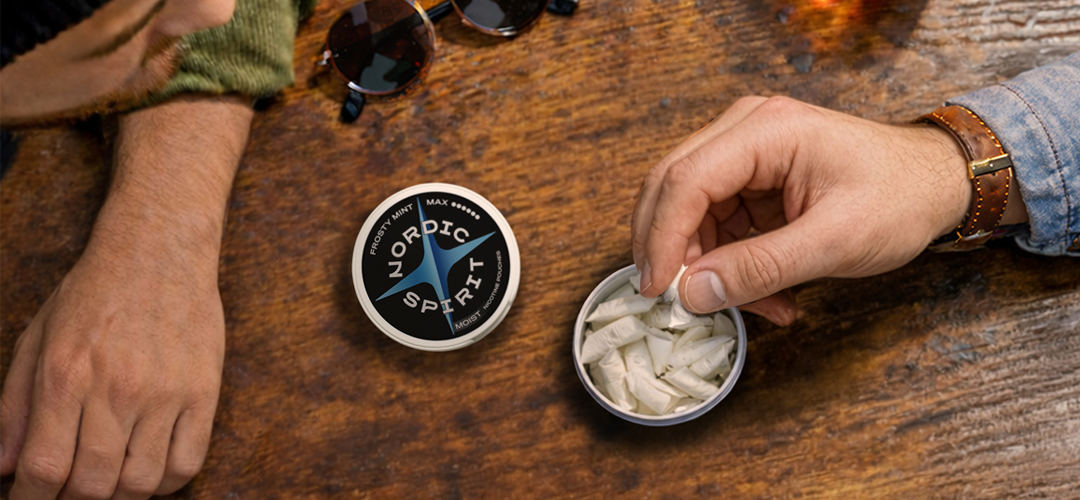
Caffeine Pouches vs Nicotine Pouches
In this guide, we’ll explore the differences between caffeine and nicotine pouches. You’ll learn all about their key features, how they compare to other caffeine and nicotine products, the regulations in place, and the different strengths to choose between.
First, we’ll quickly cover the basics.
Nicotine vs caffeine: Which is which?
Caffeine is a natural, plant-based stimulant found in coffee, tea, and cacao plants…
• It is the most widely used central nervous system stimulant, and it works by speeding up messages between the brain and body, making consumers feel more alert. Sometimes these pouches are called “energy pouches”.
Nicotine is also a natural, plant-based stimulant, but this time found in tobacco plants…
• A lesser-known fact, nicotine can also be extracted from certain vegetables, in smaller doses, such as peppers, potatoes, and aubergines. It is the primary ingredient in products like smoke-free nicotine pouches, e-liquids for vapes, gums, and more.
Key differences between nicotine and caffeine
Though nicotine and caffeine are both stimulants, they are not exactly the same. This is true for how they’re used, regulated, and consumed.
Here’s how they compare:
| Nicotine | Caffeine | |
|---|---|---|
| Natural sources | Tobacco plant and certain vegetables, like potatoes, peppers, tomatoes, and aubergines | Coffee beans, tea leaves, cacao plants and other natural sources like kola nuts and guarana (an Amazonian vine widely used in energy products) |
| Primary purpose | Adult users seeking a nicotine intake | Users who like the taste or are seeking support in wakefulness, focus, and energy |
| Age Requirement (UK) | Users must be 18+ | No blanket legal age restriction, but guidance on certain products applies to children (proposal of no sale of high-caffeine drinks to under 16s) |
| Products where you can find it | Oral pouches, gums, lozenges, and vapes | Caffeinated drinks, foods, tablets and oral pouches |
| Typical pouch strengths | Around 3–20 mg per pouch | Ranging 50–200 mg per pouch |
| Daily intake guidance | No official limit | UK health guidance suggests up to 400 mg |
| Smoke or vapour? | None when using pouches | None |
Okay, so what’s the deal with caffeine and nicotine pouches?
So we now know more about the key ingredients, but how do pouches factor into all this? Pouches are discreet, fast-acting products that users will place between their gum and upper lip. When in position, the active ingredients are released from the pouch and are absorbed through the lining of your mouth. They can then be easily disposed of when the flavour fades.
Nicotine pouches were first made in Sweden in the early 2000s, as a modern tobacco-free product, before landing in the UK. Caffeine pouches are relatively newer, launching around 2010. Though their core ingredient differs, both function in a similar way.
Perks of nicotine pouches
• Smoke-free, tobacco-free
• Slim design that tucks under upper lip
• No need for devices, like a vape pen
• Range of flavours and nicotine strengths (3mg to 20mg) available
• No odour and easy to dispose of
• Perfect for on-the-go convenience
Need help deciding the best flavour and strength combination? Check out our nicotine pouch strength guide.
Why caffeine pouches when you can just drink coffee?
Of course, coffee and caffeinated energy drinks are not going anywhere, so why the sudden rise in caffeine pouches? Well, one of the main perks of caffeine pouches is their convenience…
Unlike coffee, with pouches, there’s nothing to prep. Instead, users have almost-instant caffeine delivery whenever they like. Caffeine pouch cans are also lightweight, often pocket-sized, so are easier to carry for those on the move.
There’s also the question of how they work, with pouches offering users faster-acting caffeine absorption (though the effects do typically fade quicker) than a brew, across a range of different pouch strengths.
| Caffeine pouch (on average) | Coffee cup (on average) | |
|---|---|---|
| Strength | 50–200 mg | 95–100 mg |
| Activation time | 5–10 min | 15–45 min |
| Effects last | 30 minutes–1 hour | 3–5 hours |
Caffeine vs nicotine pouches: Your questions, answered
Do nicotine pouches contain tobacco?
No. Nicotine pouches do NOT contain any tobacco. Instead, the nicotine is extracted from tobacco leaves, and the pouch is packed with additional flavourings, sweeteners, and plant-based fibres to round out its full flavour profile.
A similar nicotine product that does contain tobacco is snus, sold as sachets or in raw powder. Snus is banned in the UK, however.
Are nicotine and caffeine similar?
Nicotine and caffeine are both plant-derived stimulants that affect the central nervous system. However, they have three main differences:
1. How they work: Caffeine blocks adenosine in the brain to promote wakefulness, whereas nicotine stimulates specific brain receptors.
2. Use: Nicotine products are intended for adult use only and sold in oral products like vapes and nicotine pouches. Meanwhile, caffeine is widely drunk or eaten as part of everyday groceries like coffee, energy drinks, desserts, etc.
3. Regulation: Nicotine products are age-restricted in the UK, while most caffeinated products have no official age requirement.
Do nicotine pouches include caffeine?
No. Nicotine pouches do not contain any caffeine – however, you may find coffee-flavoured nicotine pouches. These pouches imitate coffee in taste only. If you’re looking for a proper caffeine effect, you would need a caffeine pouch or other caffeinated product like coffee, tea, or energy drinks.
On the flip side, caffeine pouches do not contain nicotine.
For quality, tobacco-free nicotine pouches, get your free sample today. Why not give our Moist Range, voted Product of the Year 2026 in the Nicotine Pouch category, a try?